Stainless Steel Grades 304, 316 and 400, and the Magnet Test
A magnet is the best five-dollar tool for sorting stainless, as long as you know what it can't tell you.
October 20, 2026 · 3 min read
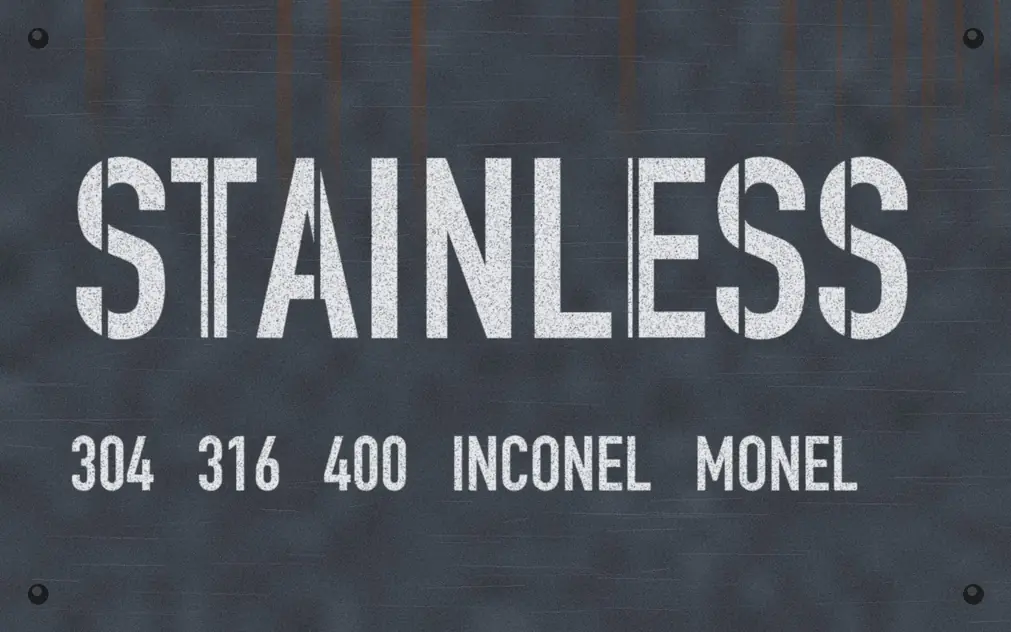
A stainless sink, a pile of restaurant equipment, and a bin of cutoffs from a fabrication job are all called stainless steel, but at a scrap yard they aren't all the same material. Winco Scrap Metal & Container's non-ferrous and alloy page lists 304, 316, and 400 series stainless, plus Inconel and Monel, and says they want it whether you have 10 pounds or 1,000. If you've got any of it, a little sorting helps.
What the numbers mean
Stainless is steel with chromium added so it resists rust. The numbers are grade families, and each has a typical use.
- 304: the common one. Kitchen sinks, restaurant counters, appliance panels, and a lot of food equipment.
- 316: 304's tougher cousin, with molybdenum added to fight corrosion from salt and chemicals. Boat hardware, marine fittings, and some chemical and food-processing equipment.
- 400 series: a different family of stainless that holds a magnet. You'll find it in some appliance trim, exhaust parts, and some cutlery and fasteners.
You usually can't tell the grade by looking. A brushed finish on a 304 counter and a 316 boat cleat can look the same. If the part came with a stamp, a tag, or a spec sheet, bring it or note it, because that is the easy way to know.
The magnet test
Grab a refrigerator magnet or a stronger one from the hardware store and hold it against the piece. If it sticks hard, you're likely holding 400 series or ordinary steel. If it barely sticks or doesn't, it's probably 304 or 316.
Two cautions keep the test honest. First, 304 and 316 can become slightly magnetic where they've been bent, stamped, or welded, so a weak pull near a fold doesn't prove it's 400 series. Test a flat, unworked spot. Second, the magnet can't tell 304 from 316, because they both pass or fail it the same way. It separates the 400 series from the rest, and that's all.
Ordinary steel and 400 series both stick, so how do you tell those apart? Rust. A rusty magnetic piece is regular steel. A magnetic piece that's clean and shiny after years outdoors is more likely 400 series stainless. Not perfect, but it points you the right way.
Inconel and Monel
Winco also lists Inconel, which it describes as nickel chromium-based super alloys, and Monel, which it describes as nickel alloys. These show up in heat and corrosion jobs: exhaust and turbine parts, heat treating fixtures, chemical plant piping, valves, and marine fittings. They're heavy for their size and they don't rust, so they often get mistaken for stainless.
If you have something that feels heavier than stainless should and it's from a high-heat or industrial setting, set it aside and say so at the scale. Don't mix it into a bin of 304. Monel and Inconel are their own category at the yard, and a technician can help you figure out what you've got.
Think about where stainless hides in a clean-out. Restaurant equipment, like prep tables, hood panels, and steam-table pans, is often stainless. So are old kitchen sinks, range hoods, and the drum of some washing machines. Boat owners have stainless rails, cleats, and propeller hardware. Run the magnet over each one as you pull it out, and you'll have the pile mostly sorted before you start the truck.
Sort before you drive
The plan is simple. Bring a magnet. Make one pile for non-magnetic stainless, one for magnetic, and one for anything that looks like a heavy alloy. Keep all of it away from plain steel, since a stainless sink in a pile of rebar is going to get lumped in with the rebar. Cut off any attached plastic, rubber seals, or brass fittings if you can, and empty out anything that held liquid.
Contractors and shop owners get a little extra benefit from sorting as they go. A fabrication shop that keeps 304 offcuts in one bin and 316 in another doesn't have to sort a mountain on the last day of the month. Label the bins with a paint marker and you won't second-guess yourself later.
Winco has a 35-foot truck scale on site, so large loads aren't a problem, and their technicians weigh and assess loads and make an offer. The yard is open Monday through Friday, 8:00 AM to 5:00 PM, and Saturday, 8:00 AM to 2:00 PM, closed Sunday.
Winco's non-ferrous and alloy page lists the stainless and alloy grades they accept. Call (860) 230-0552 if you're not sure what you have.
Winco Scrap Metal & Container, (860) 230-0552
Call (860) 230-0552More articles
How to Sort Copper Before You Drive to Moosup
A coffee can of pipe, a box of wire and an old motor are three different things at the scale, and a few minutes of sorting at home makes the trip easier.
Which Roll-Off Container Size Fits Your Job
Fifteen yards or fifty: a plain way to pick the container before you call.